
IB World School
The IB Primary Years Programme
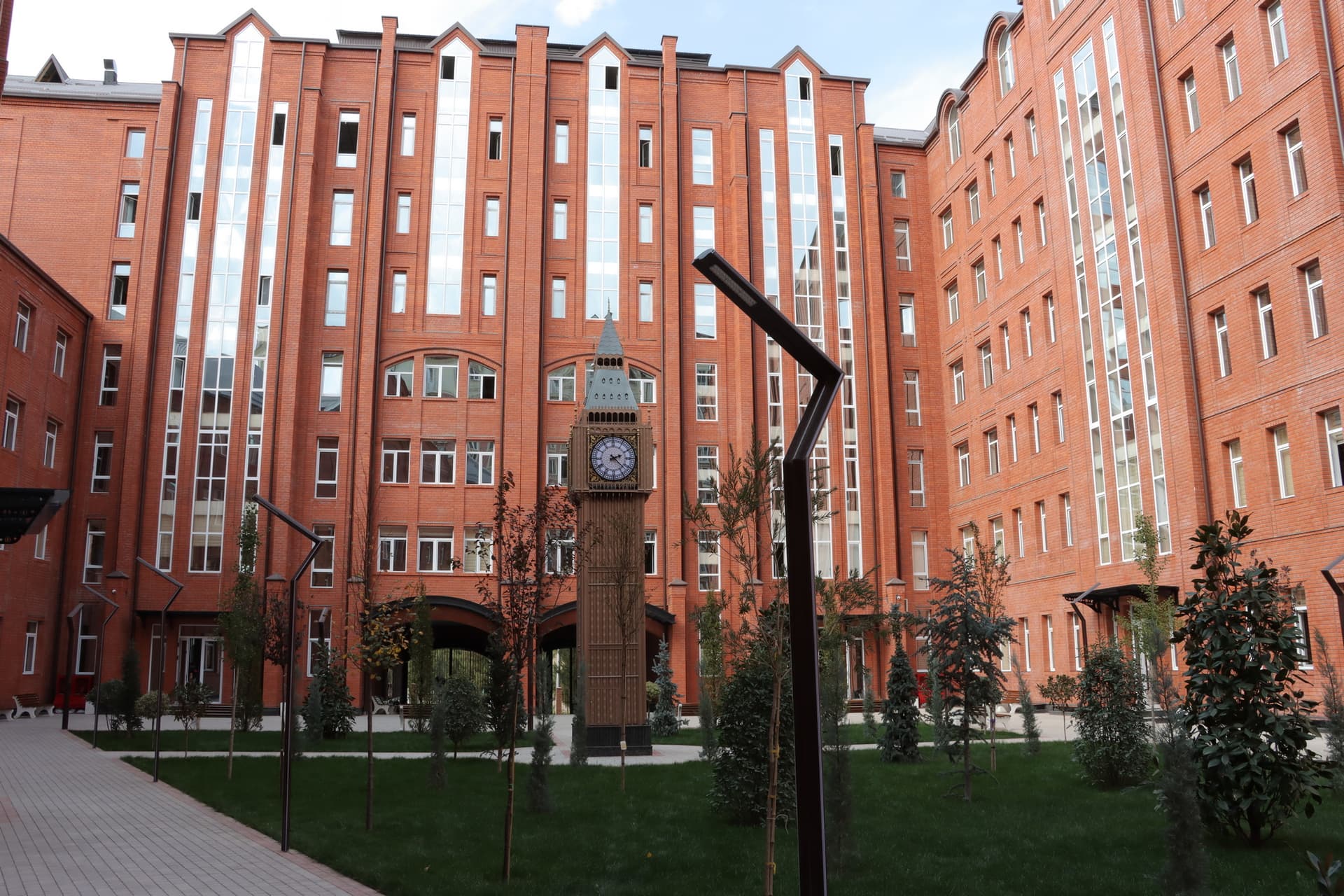
Vosiq International School and Kindergarten is an authorised IB PYP school. Our authorisation was granted in spring 2023.
IB World Schools share a common philosophy — a commitment to high-quality, challenging, international education that Vosiq International believes is important for our students.
Only schools authorised by the IB Organization can offer any of its four academic programmes: the Primary Years Programme (PYP), the Middle Years Programme (MYP), the Diploma Programme or the Career-related Programme (CP). Candidate status gives no guarantee that authorisation will be granted. For further information about the IB and its programmes, visit https://www.ibo.org.
The IB PYP is an inquiry-based learning approach designed for students aged 3 to 12. At its heart is inquiry-based learning, which encourages students to ask questions, explore, discover and construct their own understanding of the world around them. The programme fosters curiosity, creativity and critical thinking while promoting intercultural understanding and respect.
How the programme is built
Six transdisciplinary themes
The themes help students make connections between different subject areas and their own lives.
Who we are
The nature of the self; beliefs and values; physical, mental, social and spiritual health; families, friends, communities and cultures; rights and responsibilities.
Where we are in place and time
Orientation in place and time; personal histories; homes and journeys; the discoveries, explorations and migrations of humankind; the interconnectedness of individuals and civilizations.
How we express ourselves
The ways in which we discover and express ideas, feelings, nature, culture, beliefs and values; how we extend and enjoy our creativity; our appreciation of the aesthetic.
How the world works
The natural world and its laws; the interaction between the natural world and human societies; the impact of scientific and technological advances on society and the environment.
How we organize ourselves
The interconnectedness of human-made systems and communities; the structure and function of organizations; societal decision-making; economic activities.
Sharing the planet
Rights and responsibilities in the struggle to share finite resources; communities and the relationships within and between them; access to equal opportunities; peace and conflict resolution.
Method
Key methods of instruction
Inquiry-based learning
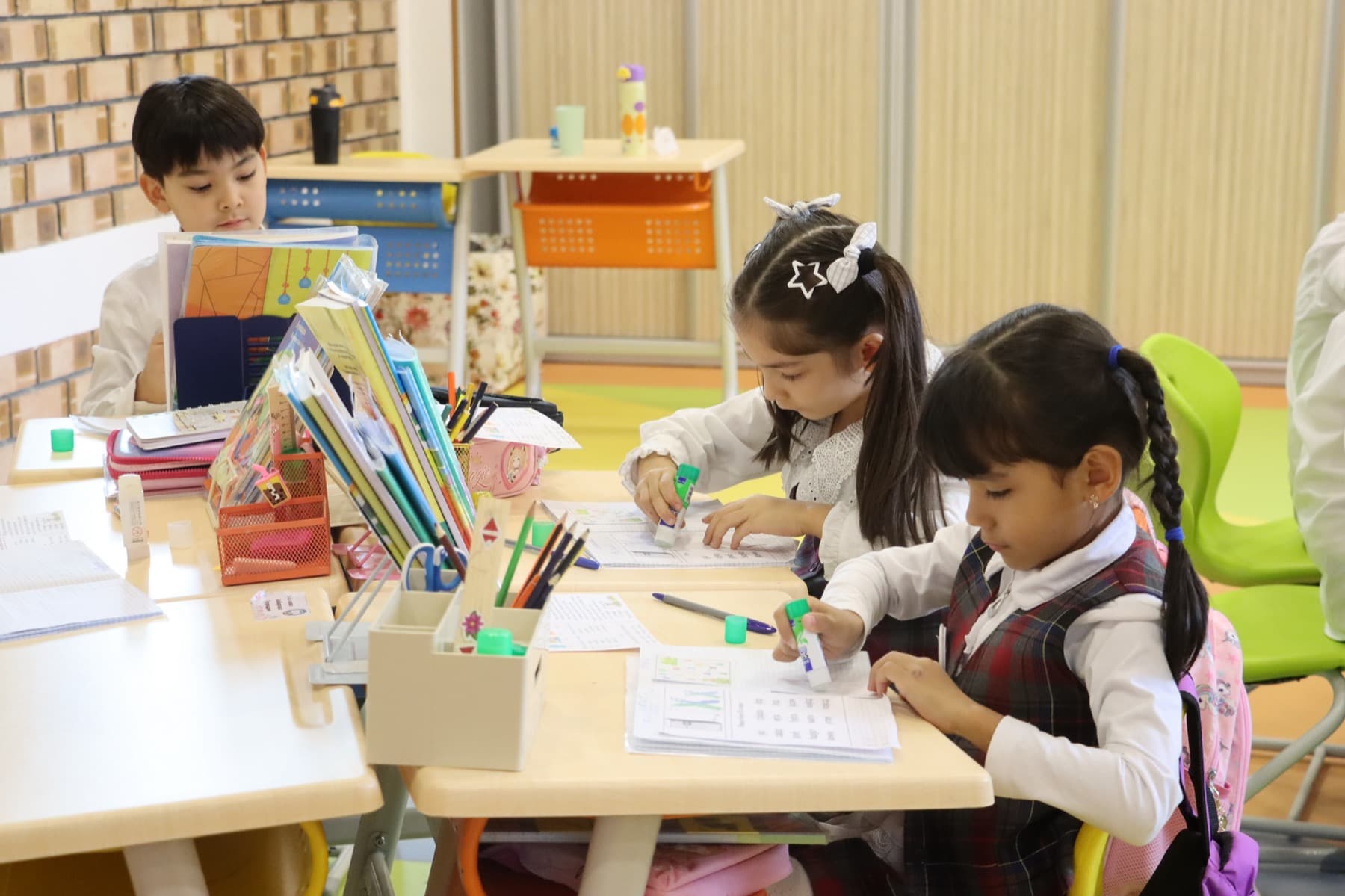
Students ask questions and explore topics of interest through research, experimentation and hands-on activities.
Collaborative learning
Working together in small groups to solve problems, share ideas and learn from one another.
Transdisciplinary learning
The six themes connect different subject areas and let teachers collaborate to integrate learning experiences.
Differentiated instruction
Every student has unique needs and styles: tasks are differentiated, technology supports learning and students are given choice.
Formative assessment
Teachers assess learning throughout a unit of inquiry to give feedback and adjust instruction accordingly.
Reflection
Students reflect on their learning and on the learning process, which develops metacognitive skills.
Assessment
Assessment in the PYP is designed to be authentic and ongoing, with a focus on formative assessment that supports student learning. Progress is assessed against the PYP learning outcomes, organised into five essential elements:
- Knowledge
- Concepts
- Skills
- Attitudes
- Action
The PYP emphasises the development of communication, thinking, research, social and self-management skills, and encourages attitudes such as respect, empathy and responsibility.
PYP philosophy
Student agency
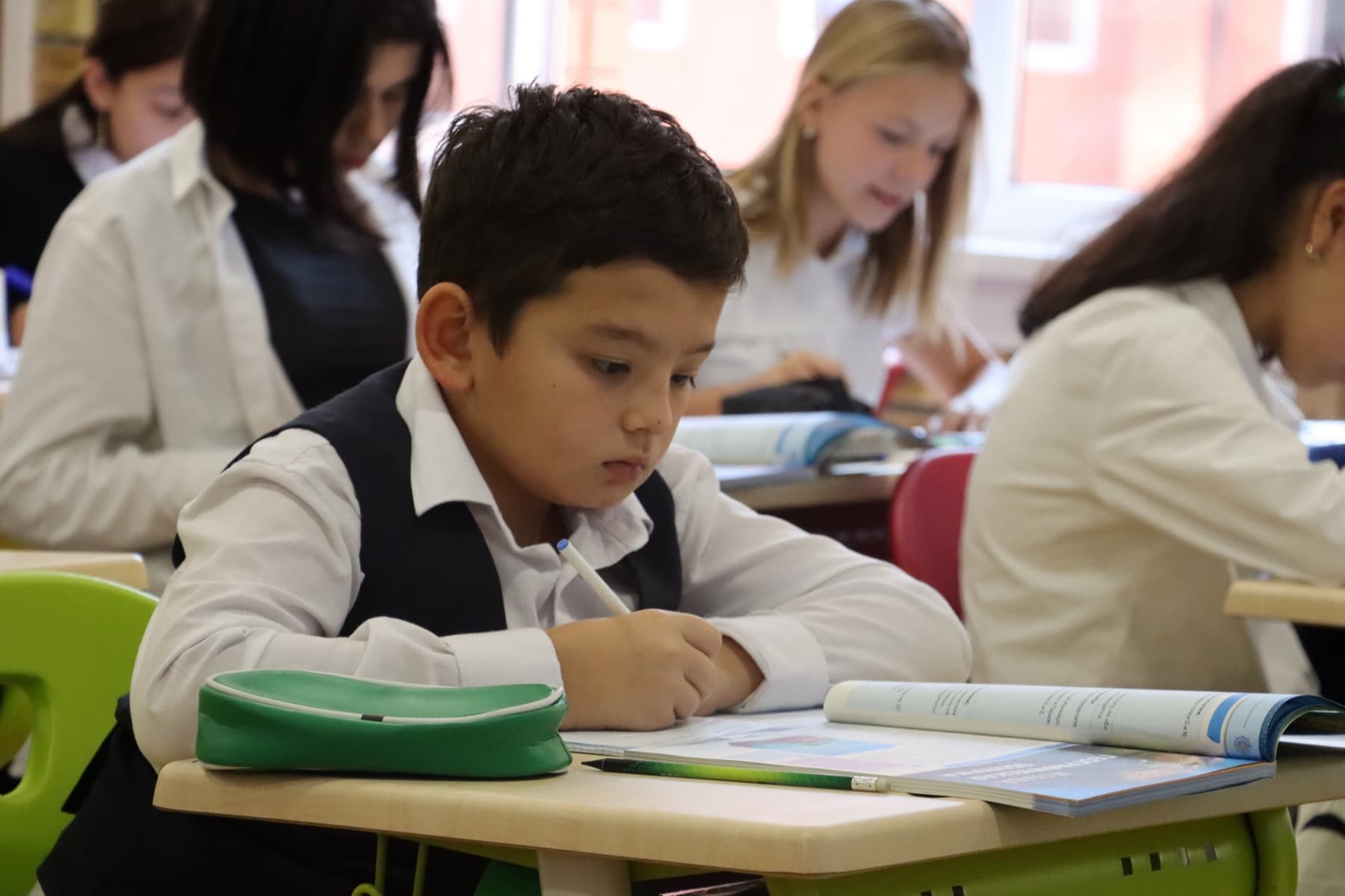
Student agency is a key concept we prioritise in our implementation of the PYP. We make sure students take an active role in their own learning and stay in control of their own thinking and actions.
Agency grows first of all through inquiry: students ask questions, make connections and take action. They are given the freedom to direct their own learning and to choose the topics that interest them.
We also run student-led conferences, where a child presents their own progress to teachers and parents. A student council has been established at the school to ensure learners have a voice in the matters that affect their learning.
International Baccalaureate
Still choosing a school?
Choosing a school is an important step in your child’s life. We are glad to tell you everything about ours — call us, or leave your number and we will call you back.
Contact us